But as many times as you’ve ever seen asphalt, do you know what it really is?[/vc_column_text][/vc_column][vc_column column_padding=”no-extra-padding” column_padding_tablet=”inherit” column_padding_phone=”inherit” column_padding_position=”all” column_element_direction_desktop=”default” column_element_spacing=”default” desktop_text_alignment=”default” tablet_text_alignment=”default” phone_text_alignment=”default” background_color_opacity=”1″ background_hover_color_opacity=”1″ column_backdrop_filter=”none” column_shadow=”none” column_border_radius=”none” column_link_target=”_self” column_position=”default” gradient_direction=”left_to_right” overlay_strength=”0.3″ width=”1/2″ tablet_width_inherit=”default” animation_type=”default” bg_image_animation=”none” border_type=”simple” column_border_width=”none” column_border_style=”solid”][nectar_responsive_text]
Asphalt is an Aggregate
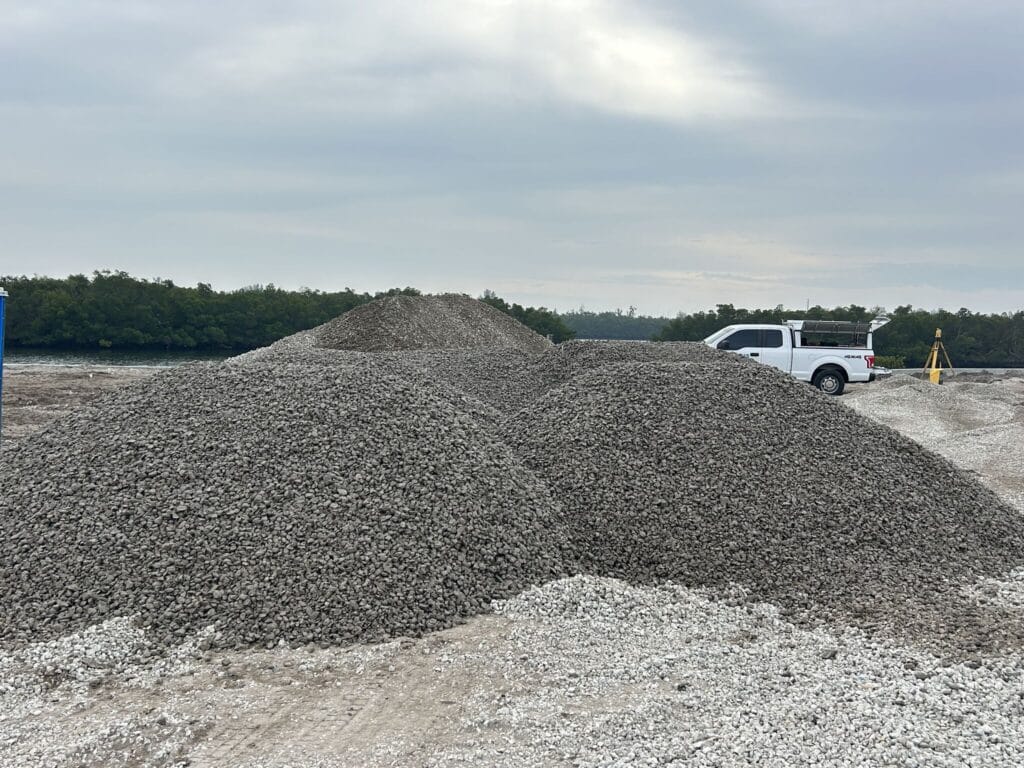
[/nectar_responsive_text][vc_column_text]That’s right. Asphalt isn’t one material, it’s made up of many different materials of different sizes, and that makes it an aggregate, just like the stone or sand that we also love to haul. The main difference is that asphalt, when we’re carrying it, isn’t quite a solid just yet—it’s technically still a liquid until it cures.Asphalt (the aggregate) takes its name from asphalt (the ingredient.) Asphalt, or bitumen, is a thick, sticky, naturally occurring, petroleum-based product. When combined with sand, stone, crushed rock, recycled concrete and/or asphalt millings, and other coarse- or fine-grained mineral products, the aggregate becomes the viscous mixture we commonly call asphalt. The bitumen serves as the binder, or glue, that holds the aggregate together. Asphalt solidifies into the surface we see on roads and sidewalks as the liquid component dries and sets.[/vc_column_text][/vc_column][/vc_row][vc_row type=”in_container” full_screen_row_position=”middle” column_margin=”default” equal_height=”yes” content_placement=”middle” column_direction=”default” column_direction_tablet=”default” column_direction_phone=”default” scene_position=”center” text_color=”dark” text_align=”left” row_border_radius=”none” row_border_radius_applies=”bg” overflow=”visible” overlay_strength=”0.3″ gradient_direction=”left_to_right” shape_divider_position=”bottom” bg_image_animation=”none” shape_type=”” gradient_type=”default”][vc_column column_padding=”padding-4-percent” column_padding_tablet=”inherit” column_padding_phone=”no-extra-padding” column_padding_position=”right” column_element_direction_desktop=”default” column_element_spacing=”default” desktop_text_alignment=”default” tablet_text_alignment=”default” phone_text_alignment=”default” background_color_opacity=”1″ background_hover_color_opacity=”1″ column_backdrop_filter=”none” column_shadow=”none” column_border_radius=”none” column_link_target=”_self” column_position=”default” gradient_direction=”left_to_right” overlay_strength=”0.3″ width=”1/1″ tablet_width_inherit=”default” animation_type=”default” bg_image_animation=”none” border_type=”simple” column_border_width=”none” column_border_style=”solid” column_padding_type=”default” gradient_type=”default”][image_with_animation image_url=”927″ image_size=”full” animation_type=”entrance” animation=”Fade In From Bottom” animation_easing=”default” animation_movement_type=”transform_y” hover_animation=”none” alignment=”center” border_radius=”none” box_shadow=”none” image_loading=”default” max_width=”100%” max_width_mobile=”default”][/vc_column][/vc_row][vc_row type=”in_container” full_screen_row_position=”middle” column_margin=”default” equal_height=”yes” content_placement=”middle” column_direction=”default” column_direction_tablet=”default” column_direction_phone=”default” scene_position=”center” bottom_padding=”5%” text_color=”dark” text_align=”left” row_border_radius=”none” row_border_radius_applies=”bg” overflow=”visible” overlay_strength=”0.3″ gradient_direction=”left_to_right” shape_divider_position=”bottom” bg_image_animation=”none” shape_type=”” gradient_type=”default”][vc_column column_padding=”padding-4-percent” column_padding_tablet=”inherit” column_padding_phone=”no-extra-padding” column_padding_position=”right” column_element_direction_desktop=”default” column_element_spacing=”default” desktop_text_alignment=”default” tablet_text_alignment=”default” phone_text_alignment=”default” background_color_opacity=”1″ background_hover_color_opacity=”1″ column_backdrop_filter=”none” column_shadow=”none” column_border_radius=”none” column_link_target=”_self” column_position=”default” gradient_direction=”left_to_right” overlay_strength=”0.3″ width=”1/2″ tablet_width_inherit=”default” animation_type=”default” bg_image_animation=”none” border_type=”simple” column_border_width=”none” column_border_style=”solid” column_padding_type=”default” gradient_type=”default”][vc_column_text]
How is Asphalt Made?
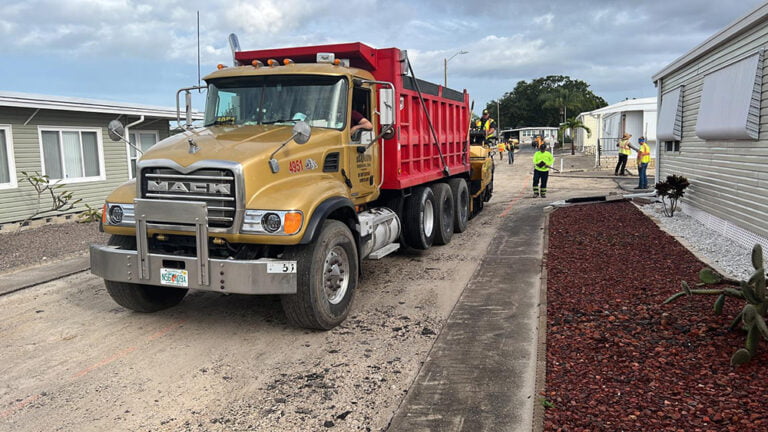
Asphalt is mixed in dedicated asphalt plants, which are designed specifically for making the finished product you’re familiar with. The bitumen and the solid components are heated and mixed to specification in giant hoppers or drums, starting with drying the solid aggregate materials. This allows the bitumen to stick to the particles better and produce more homogenous asphalt. Different projects require different measures of aggregates, and asphalt plants are the mix-masters of these “recipes.” After the solid aggregates are dried and coated, the new asphalt goes into holding silos that keep it at the desired temperature until it’s ready to be loaded and trucked to project sites.
There are 3 types of asphalt made in asphalt plants—hot, warm, and cold. As the names suggest, temperature plays as big a role in the composition and application of each type. Hot mix asphalt gets mixed and poured at 300-350° F and is the most commonly used asphalt mix for roads, railbeds, runways, and more. It cools very quickly, though, and can only be applied on days when the temperature rises above 40°, or it will cure incorrectly.[/vc_column_text][/vc_column][vc_column column_padding=”no-extra-padding” column_padding_tablet=”inherit” column_padding_phone=”inherit” column_padding_position=”all” column_element_direction_desktop=”default” column_element_spacing=”default” desktop_text_alignment=”default” tablet_text_alignment=”default” phone_text_alignment=”default” background_color_opacity=”1″ background_hover_color_opacity=”1″ column_backdrop_filter=”none” column_shadow=”none” column_border_radius=”none” column_link_target=”_self” column_position=”default” gradient_direction=”left_to_right” overlay_strength=”0.3″ width=”1/2″ tablet_width_inherit=”default” animation_type=”default” bg_image_animation=”none” border_type=”simple” column_border_width=”none” column_border_style=”solid”][vc_column_text]Warm mix asphalt is a little cheaper to make than hot asphalt because it doesn’t take as much energy to get it up to the desired temperature, which is 200-250° F. Warm mix asphalt doesn’t cool as quickly and can be used for projects in lower temperatures, making it a great choice for night construction or cold-weather projects. Cold mix asphalt is typically not heated during the mixing process. It’s used to fill potholes and for crack repair in the winter and isn’t as durable as its warm and hot counterparts.
Many asphalt plants in cooler climates shut down for the winter months because the demand for hot mix sharply declines when the temperatures drop below its safe, effective application point. Mobile asphalt plants are also becoming more popular, and they help keep production up year-round in regions where hot mix and warm mix can be used in the winter.[/vc_column_text][/vc_column][/vc_row][vc_row type=”in_container” full_screen_row_position=”middle” column_margin=”default” equal_height=”yes” content_placement=”middle” column_direction=”default” column_direction_tablet=”default” column_direction_phone=”default” scene_position=”center” text_color=”dark” text_align=”left” row_border_radius=”none” row_border_radius_applies=”bg” overflow=”visible” overlay_strength=”0.3″ gradient_direction=”left_to_right” shape_divider_position=”bottom” bg_image_animation=”none” shape_type=”” gradient_type=”default”][vc_column column_padding=”padding-4-percent” column_padding_tablet=”inherit” column_padding_phone=”no-extra-padding” column_padding_position=”right” column_element_direction_desktop=”default” column_element_spacing=”default” desktop_text_alignment=”default” tablet_text_alignment=”default” phone_text_alignment=”default” background_color_opacity=”1″ background_hover_color_opacity=”1″ column_backdrop_filter=”none” column_shadow=”none” column_border_radius=”none” column_link_target=”_self” column_position=”default” gradient_direction=”left_to_right” overlay_strength=”0.3″ width=”1/2″ tablet_width_inherit=”default” animation_type=”default” bg_image_animation=”none” border_type=”simple” column_border_width=”none” column_border_style=”solid” column_padding_type=”default” gradient_type=”default”][vc_column_text]
Why is Asphalt Such a Popular Choice?
There are many reasons that asphalt is a popular choice for building and paving projects. It provides a smooth, flexible surface with a lower chance of cracking during stress and temperature fluctuations than traditional concrete, making it an excellent choice for vehicle and foot traffic. And because asphalt is durable and can be repaired with more asphalt (remember, it’s like glue!), it can be more cost-effective than concrete, too.[/vc_column_text][/vc_column][vc_column column_padding=”no-extra-padding” column_padding_tablet=”inherit” column_padding_phone=”inherit” column_padding_position=”all” column_element_direction_desktop=”default” column_element_spacing=”default” desktop_text_alignment=”default” tablet_text_alignment=”default” phone_text_alignment=”default” background_color_opacity=”1″ background_hover_color_opacity=”1″ column_backdrop_filter=”none” column_shadow=”none” column_border_radius=”none” column_link_target=”_self” column_position=”default” gradient_direction=”left_to_right” overlay_strength=”0.3″ width=”1/2″ tablet_width_inherit=”default” animation_type=”default” bg_image_animation=”none” border_type=”simple” column_border_width=”none” column_border_style=”solid”][vc_column_text]Another big selling point for asphalt is that although it is made from a limited resource—bitumen, an oil byproduct—the manufactured product is endlessly renewable. Old asphalt can be torn up, crushed into millings, and recycled back into new asphalt mixtures, lessening the impact of the use of fossil fuels during the production process. Asphalt is also valued for its water-repellant and impermeable properties. Because it’s stable and inert, there is little chance of it causing environmental damage if it begins to break down. That’s why asphalt is a material of choice for lining ponds and reservoirs and as a soil cap or barrier.[/vc_column_text][/vc_column][/vc_row][vc_row type=”full_width_background” full_screen_row_position=”middle” column_margin=”default” column_direction=”default” column_direction_tablet=”default” column_direction_phone=”default” scene_position=”center” text_color=”dark” text_align=”left” row_border_radius=”none” row_border_radius_applies=”bg” overflow=”visible” overlay_strength=”0.3″ gradient_direction=”left_to_right” enable_shape_divider=”true” shape_divider_color=”#ffffff” shape_divider_position=”top” shape_divider_height=”100″ bg_image_animation=”none” shape_type=”tilt_alt”][vc_column column_padding=”no-extra-padding” column_padding_tablet=”inherit” column_padding_phone=”inherit” column_padding_position=”all” column_element_direction_desktop=”default” column_element_spacing=”default” desktop_text_alignment=”default” tablet_text_alignment=”default” phone_text_alignment=”default” background_color_opacity=”1″ background_hover_color_opacity=”1″ column_backdrop_filter=”none” column_shadow=”none” column_border_radius=”none” column_link_target=”_self” column_position=”default” gradient_direction=”left_to_right” overlay_strength=”0.3″ width=”1/1″ tablet_width_inherit=”default” animation_type=”default” bg_image_animation=”none” border_type=”simple” column_border_width=”none” column_border_style=”solid”][vc_row_inner equal_height=”yes” content_placement=”middle” column_margin=”default” column_direction=”default” column_direction_tablet=”default” column_direction_phone=”default” text_align=”left” row_position=”default” row_position_tablet=”inherit” row_position_phone=”inherit” overflow=”visible” pointer_events=”all”][vc_column_inner column_padding=”padding-3-percent” column_padding_tablet=”inherit” column_padding_phone=”inherit” column_padding_position=”right” column_element_direction_desktop=”default” column_element_spacing=”default” desktop_text_alignment=”default” tablet_text_alignment=”default” phone_text_alignment=”default” background_color_opacity=”1″ background_hover_color_opacity=”1″ column_backdrop_filter=”none” column_shadow=”none” column_border_radius=”none” column_link_target=”_self” overflow=”visible” gradient_direction=”left_to_right” overlay_strength=”0.3″ width=”2/3″ tablet_width_inherit=”default” animation_type=”default” bg_image_animation=”none” border_type=”simple” column_border_width=”none” column_border_style=”solid”][vc_custom_heading text=”Can I Get Asphalt for MY Project?” font_container=”tag:h2|text_align:left|color:%23be151c” use_theme_fonts=”yes”][divider line_type=”No Line” custom_height=”10″][vc_column_text max_width=”700″]Of course you can, and we’d be happy to help! Whether you’re a developer laying new neighborhood roads or a homeowner looking to install a basketball court, we’ve got you covered. Our friendly office staff, skilled dispatchers, and over 1000 drivers are ready, willing, and able to get you the asphalt you need safely, quickly, and affordable. Get in touch today! We can’t wait to meet you.[/vc_column_text][/vc_column_inner][vc_column_inner column_padding=”no-extra-padding” column_padding_tablet=”inherit” column_padding_phone=”inherit” column_padding_position=”all” column_element_direction_desktop=”default” column_element_spacing=”default” desktop_text_alignment=”default” tablet_text_alignment=”default” phone_text_alignment=”default” background_color_opacity=”1″ background_hover_color_opacity=”1″ column_backdrop_filter=”none” column_shadow=”none” column_border_radius=”none” column_link_target=”_self” overflow=”visible” gradient_direction=”left_to_right” overlay_strength=”0.3″ width=”1/3″ tablet_width_inherit=”default” animation_type=”default” bg_image_animation=”none” border_type=”simple” column_border_width=”none” column_border_style=”solid”][nectar_btn size=”large” button_style=”regular” button_color_2=”Extra-Color-2″ color_override=”#be151c” icon_family=”iconsmind” url=”/contact/” text=”Get in touch!” icon_iconsmind=”iconsmind-Pen-5″ margin_top=”10px”][divider line_type=”No Line”][/vc_column_inner][/vc_row_inner][/vc_column][/vc_row]