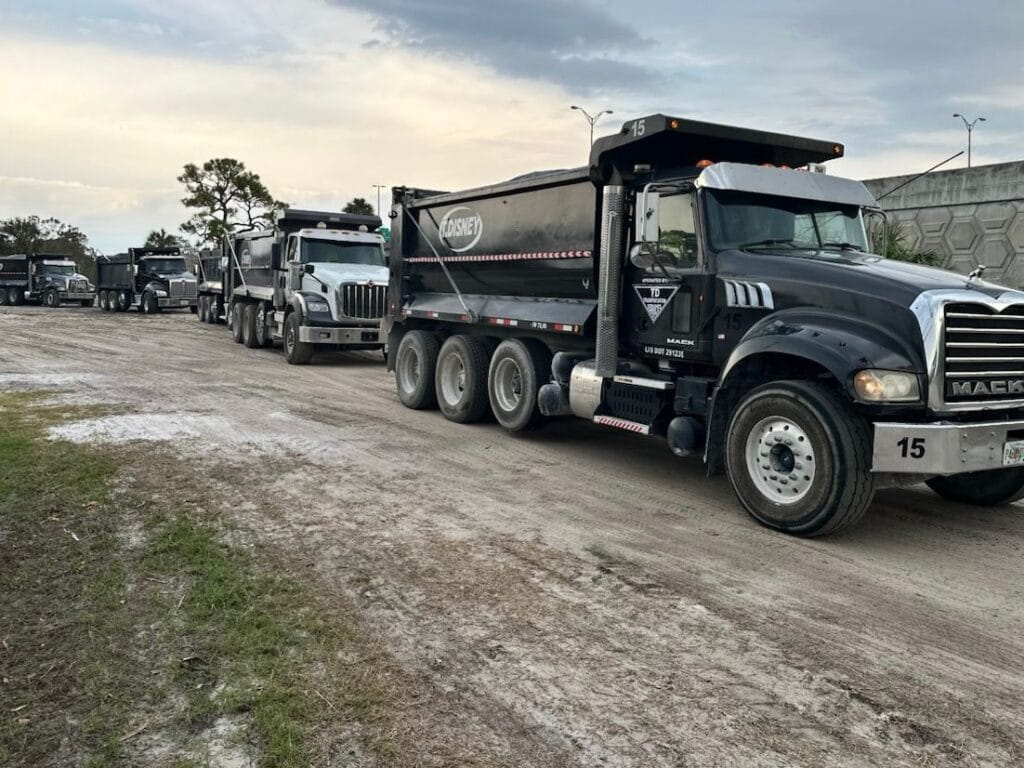
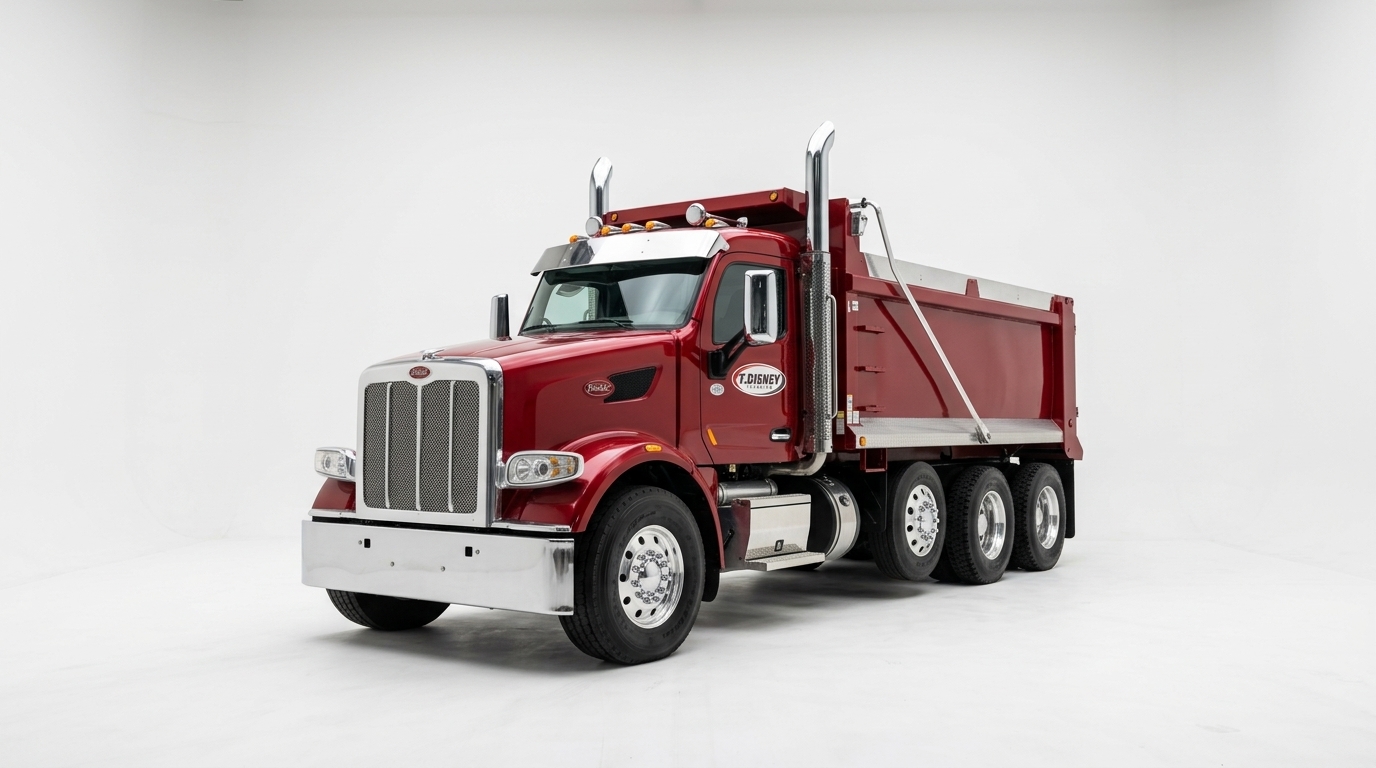
National Truck Driver Appreciation Week runs from 13 to 19 September. The American Trucking Associations has run it every year since 1988, and this year's theme is "From Highways to Homes: We Appreciate Truckers."
It is a good week to say plainly what the job asks of the people who do it.
The day starts before the first load
Before a truck turns a wheel, somebody has walked around it. Tires and the pressure in them, lights front and back, air lines, brake components, the hoist, the bed, the tailgate, the tarp and the mechanism that pulls it. It is a legal requirement, and it is also the difference between a problem found in a yard at five in the morning and the same problem found on the interstate at nine.
That walk-around takes as long as it takes. Nobody pays for it. It happens anyway, every day, on every truck, because the alternative is worse for everyone.
The part nobody sees from the gate
A driver's day starts before the sites they serve are open, and it often ends after those sites have closed. In Florida in August, a cab is already warm at six in the morning. By two in the afternoon it is something else entirely, and there is no shade on a haul road.
Backing a loaded tri-axle onto soft ground, in a tight spot, with somebody waving vaguely from thirty feet away, is a skill that takes years to make look easy. So is reading ground that will not hold and saying so before the truck is in it rather than after. A driver who calls that right has saved a morning for everyone on site, and will usually get no credit for it, because nothing happened.
There is a quieter skill underneath all of it: knowing what a load looks like. Judging by eye whether the material in the bed is going to scale legally, and being willing to say no when it will not. That judgement protects the site as much as the driver.
Weight is a responsibility, not a number
A loaded tri-axle is tens of thousands of pounds moving through traffic that is not paying attention. Cars cut in front of loaded trucks constantly, usually with no idea how much room that truck needs to stop. Drivers absorb that all day, every day, and adjust around it without comment.
Every judgement a driver makes — following distance, a rutted entrance, a wet apron, a load that is riding wrong — is made on behalf of everyone else on the road that morning. They make those calls hundreds of times a day and nobody notices. That is exactly the point: the days you never hear about are the ones where somebody got it right.
When a load is over, the ticket does not go to the site that asked for a bit more on top. It goes on the driver's own record, and it stays there.
The day does not end when the last load does
After the last delivery there is usually a truck to look after. Greasing, washing the bed out so the next material is not contaminated, checking the thing that was not quite right this afternoon. Sometimes there is a repair that has to happen tonight so the truck runs tomorrow, which means a driver finishing one job and starting another in their own yard, in the dark.
And when a storm has come through, the pattern repeats with the volume turned up. Debris does not wait, access changes daily, and the drivers moving material in that first week are on the road before the rest of the state is back at work.
The days are long in a way that lands somewhere. There is usually somebody at the other end of one who has kept dinner.
What appreciation actually looks like on a site
The gestures that get talked about this week tend to involve free coffee. Here is what the drivers we dispatch would rank higher, based on what comes back to dispatch:
- Be ready when the truck arrives. A truck sitting at a gate is not doing the thing it came to do, and that time comes out of somebody's day.
- Give clear access and clear direction. Somebody who knows where the material goes, standing where the driver can see them, solves more problems than a phone call from the gate.
- Keep the entrance in shape. A rutted apron after a wet week slows every truck behind the first one, and it is cheap to fix before it is a problem.
- Say where the facilities are. It is a long day, it is a low bar, and a surprising number of sites do not clear it.
- Do not push an unsafe load. Asking for a bit more on top puts a licence and a safety record at risk.
- Say thanks. Ordinary courtesy is rarer on a job site than it should be.
None of that costs anything. All of it gets noticed.
One week a year
Every road, pad, foundation and school in this state arrived on the back of a truck, and somebody drove it there. Usually early, usually in the heat, usually without anyone saying much about it afterwards. The work only becomes visible when it stops.
One week a year to say so is not much. To every driver hauling in Florida: thank you, and get home safe.